Brake Systems: Pads, Rotors, Calipers and Fluid
Brake Systems: Safety and Performance You Can Trust
The braking system is the one your safety depends on most directly. MST Motorsports services brakes on trucks, side-by-sides, Jeeps and Broncos.
How the Brake System Works
A brake system converts the vehicle's motion into heat through friction.
Key Components:
Brake Pads: The friction material that contacts the rotor to create stopping force
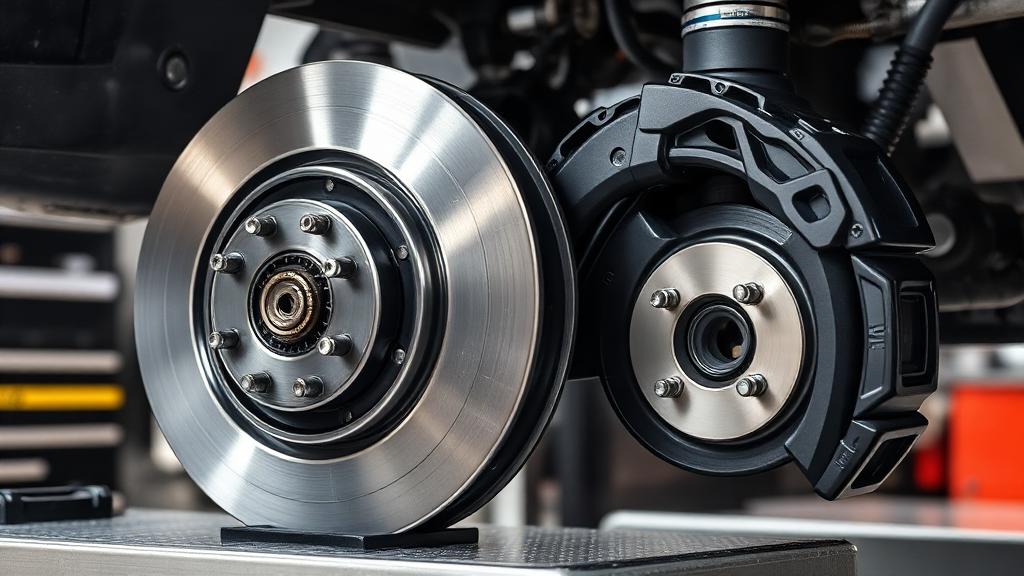
Brake Rotors: Metal discs that provide the surface for brake pad contact
Brake Calipers: Hydraulic pistons that press brake pads against rotors
Brake Lines: Carry hydraulic pressure from master cylinder to calipers
Brake Fluid: Hydraulic fluid that transfers force throughout the system
Master Cylinder: Converts pedal force into hydraulic pressure
Signs Your Brakes Need Attention
Audible Warning Signs:
- Squealing or Squeaking: Usually indicates worn brake pads
- Grinding Noise: Metal-on-metal contact—immediate attention required
- Clicking or Rattling: Loose brake components or worn hardware
Physical Symptoms:
- Vibration in Brake Pedal: Warped rotors or uneven pad wear
- Soft or Spongy Pedal: Air in brake lines or fluid leak
- Vehicle Pulls to One Side: Uneven brake wear or caliper problems
Brake Maintenance Essentials
Regular Inspection Schedule:
- Every 6 months: Visual inspection of pads and rotors
- Every 12 months: Complete brake system inspection
- Every 24 months: Brake fluid replacement
Performance Brake Upgrades
When to Consider Upgrades:
- Heavy towing or hauling applications
- Mountain driving with steep grades
- Off-road use with repeated hard braking
- Larger tires and wheels that increase braking demands
Upgrade Options:
High-Performance Brake Pads
- Ceramic Pads: Low dust, quiet operation, excellent heat dissipation
- Semi-Metallic Pads: Stronger bite, better heat tolerance
Upgraded Rotors
- Slotted Rotors: Improved gas and debris evacuation
- Drilled Rotors: Enhanced heat dissipation, reduced weight
- Drilled and Slotted: Both features on one rotor
Vehicle-Specific Brake Considerations
Heavy-Duty Trucks: Increased weight requires more stopping power. Heat generation from repeated braking on grades can cause brake fade.
Off-Road Vehicles (Jeep, Bronco, UTV): Dust and debris can contaminate brake components. Water exposure from stream crossings can affect performance temporarily.
Brake Safety in Southern Utah Conditions
Mountain Grades: Steep descents can cause brake overheating and fade
Desert Heat: High ambient temperatures increase brake system stress
Dust and Sand: Abrasive particles can accelerate component wear
Brake Fluid
Types of Brake Fluid:
- DOT 3: Standard fluid for most vehicles
- DOT 4: Higher boiling point, better for performance applications
- DOT 5: Silicone-based, doesn't absorb moisture
- DOT 5.1: High-performance glycol-based fluid
The Short Version
Brakes are the system most worth keeping ahead of. Whether you are coming down a Southern Utah grade, towing a trailer to the lake, or running trails, they need to be in good condition before you go.
Different vehicles and driving conditions call for different brake setups. MST Motorsports handles brake work from routine maintenance to performance upgrades.
Related Services from MST Motorsports
- Brake Repair in Washington, UT
- Auto Repair & Maintenance
- Truck Services
- What That Brake Noise Actually Means
MST Motorsports — 987 S 1900 East, Washington, UT 84780. Monday through Friday, 8:00 AM to 5:00 PM.
Call (435) 256-8899 · Text us · Book online.
Related MST Motorsports Services
Talk to the Shop
MST Motorsports, 987 S 1900 East, Washington, UT 84780
Monday–Friday, 8:00 AM – 5:00 PM